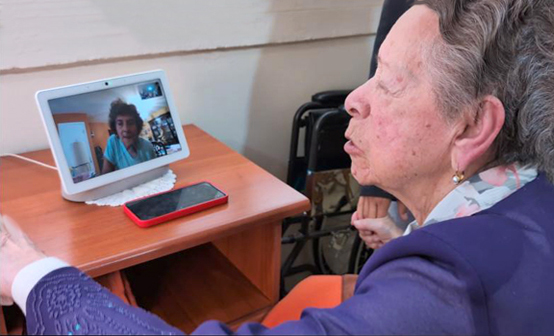
Thanks to modern medicine, the lifespan in developed countries has increased significantly in recent decades. However, declining birth rates and the increasing cost of home nursing means that we can no longer rely on younger family members or health workers to take care of us as we age. It is estimated that over the next few decades approximately 42% of people over the age of 65 will eventually develop dementia, which will have a significant impact on our quality of life.
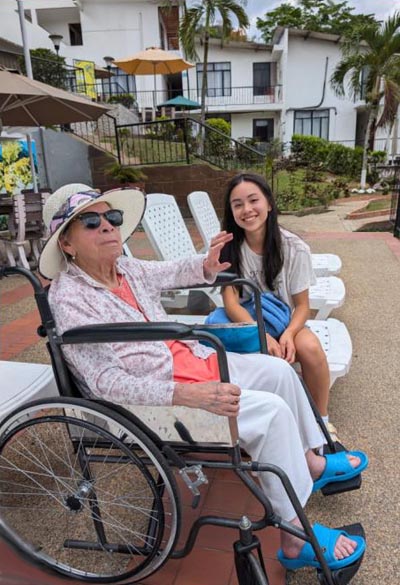
The good news is that new technologies, such as the Internet of Things (IoT), Robotics, and Artificial Intelligence, can provide increasing support and assistance as we age in order to maintain our independence, improve physical fitness, and slow down the brain aging process. New communication technologies and sensory experiences can also enable better emotional support and connection among friends and family.
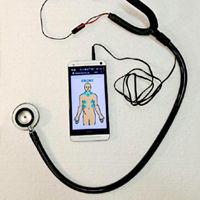
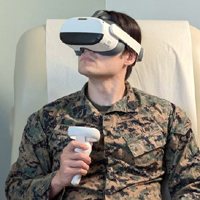
In addition to assistive technologies using IoT sensors and automation, our group develops a variety of quantitative tools and analytics that enables people to automatically and affordably measure and track the condition of their body and brain over the course of many years. Some of the tools developed in our group are in the form of mobile apps, games, and wearable sensors; but other tools use IoT sensors and smart phones to collect data passively using modalities such as movement, thermal cameras, smart speaker voice analysis, and sleep sensors.
Technologies for Healthy Aging is rapidly becoming our most important health priority among developed countries around the world.
Students: Eric Alfaro










 Mobile Technology Lab